Developments of Young Scientists Presented to Specialists of the Innovation Implementation Support Center of the Russian Ministry of Health
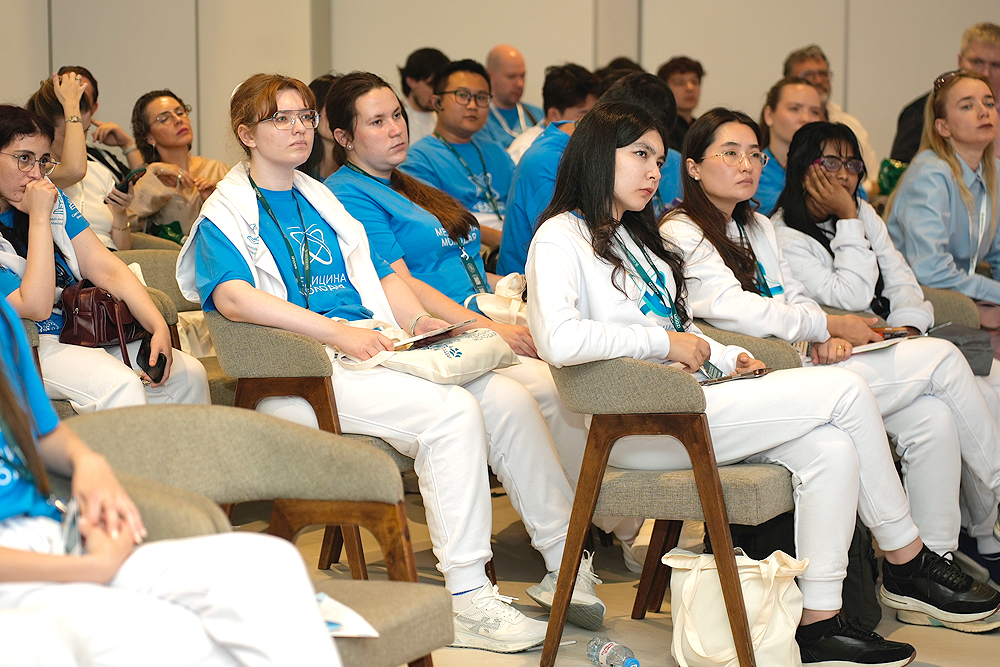
The presentation of projects took place at a symposium within the framework of the III International Forum PREVENTMED “Innovations in Healthcare: International Experience of Young Scientists”. The event was organized by the V.P. Filatov Foundation with the support of the Council of Young Scientists of the Ministry of Health of the Russian Federation.
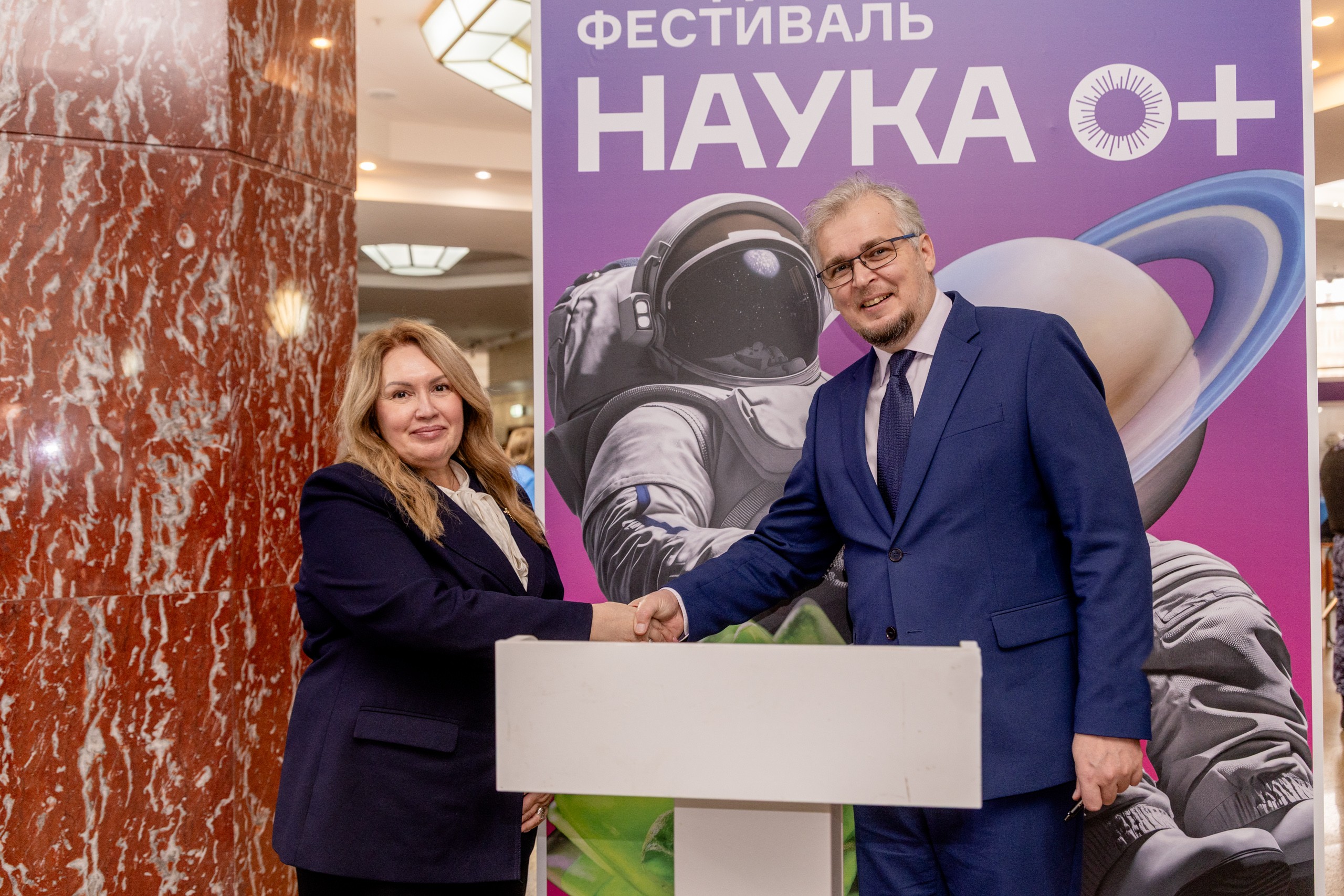
Opening the symposium, Elena Kolotilo, Director of the V.P. Filatov Foundation, stated that the All-Russian Summer Gathering is a platform for open professional dialogue, which will continue through the creation of international interdisciplinary teams developing medical solutions.
– It is precisely the diversity of professional experience and research approaches that becomes a source of novel ideas. Importantly, many of the presented developments possess high potential for clinical translation. Each of these projects — is an example of how fundamental knowledge is transformed into technologies capable of elevating the quality of medical care for millions of people.
Three out of the 7 presented projects are based on artificial intelligence applications. For instance, Aniya Imangali — Head of the Diabetes Department at Kazakh National Medical University, spoke about her development for diabetes patients, DiabAI. The AI assistant delivers personalized prompts to the patient (such as “take 12 g of fast-acting carbohydrates”) to prevent critical glycemic events. Technically, it is a bot integrated into continuous glucose monitoring systems widely used in Kazakhstan.
Anton Goryainov — a student at Pirogov Russian National Research Medical University, spoke about a virtual screening platform for multi-target 5-LOX and COX inhibitors. According to the author, the model will reduce the volume of expensive wet-lab experiments and increase the efficiency of primary virtual screening.
Yan Xiangyu, an undergraduate student majoring in Preventive Medicine at Chengdu Medical College (China), introduced his project “Artificial Intelligence-Based Diagnostic System Using Bioacoustic Biomarkers”. The objective of the project is to expand conventional methods of making and clarifying diagnoses.
The interests of two other symposium participants lie in the domain of biomedicine and biotechnology. Yasam Santosh Kumar – a faculty member at Karpaga Vinayaga Institute of Medical Sciences and Research Centre (India) presented a flavonoid nanohydrogel for prolonged delivery into ocular tissues.
Evgeny Doroshko — Senior Lecturer at the Department of Surgical Diseases No. 1 of Gomel State Medical University, is developing a biocompatible antibacterial coating for textile vascular prostheses.
The remaining research works pertained to refining conventional surgical techniques and enhancing medical devices. Khurshedzhon Nazhmidinov, a urologist from Tajikistan, shared clinical practice in minimally invasive surgical management of nephrolithiasis. Tatiana Dragunkina, a student at Samara State Medical University (SamSMU), demonstrated an attachment for a vibro-pneumatic stimulator designed for facial and neck tissue rehabilitation.
Summing up the event, its moderator Nadezhda Rukavitsyna — project coordinator at the Center for Evaluation and Quality Control in Medical Care (CEQCMC) Innovation Implementation Support Center of the Russian Ministry of Health and moderator of the symposium, noted that most of the “MEDICINE OF THE YOUTH” speakers evaluated their works based on Technology Readiness Levels (TRL).
– This is extremely valuable, because the participants themselves realistically assess their project roadmaps. Today’s event is an invaluable experience for both Russian and foreign researchers, because all of medicine advances precisely in such an interdisciplinary and multifaceted manner. We see who makes up these teams — most often people from different nations united by one shared vision, one common goal, — said Nadezhda Rukavitsyna.
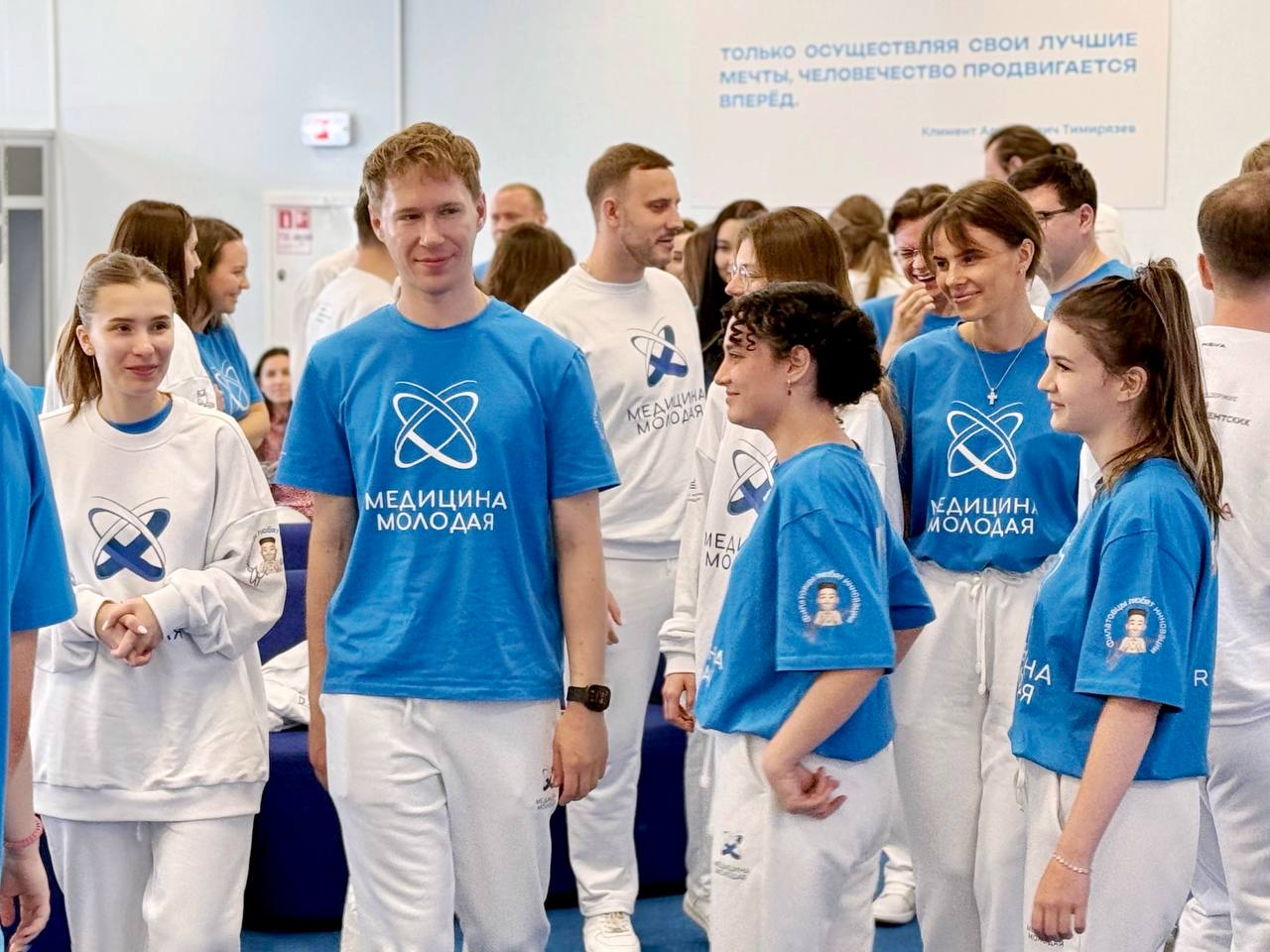
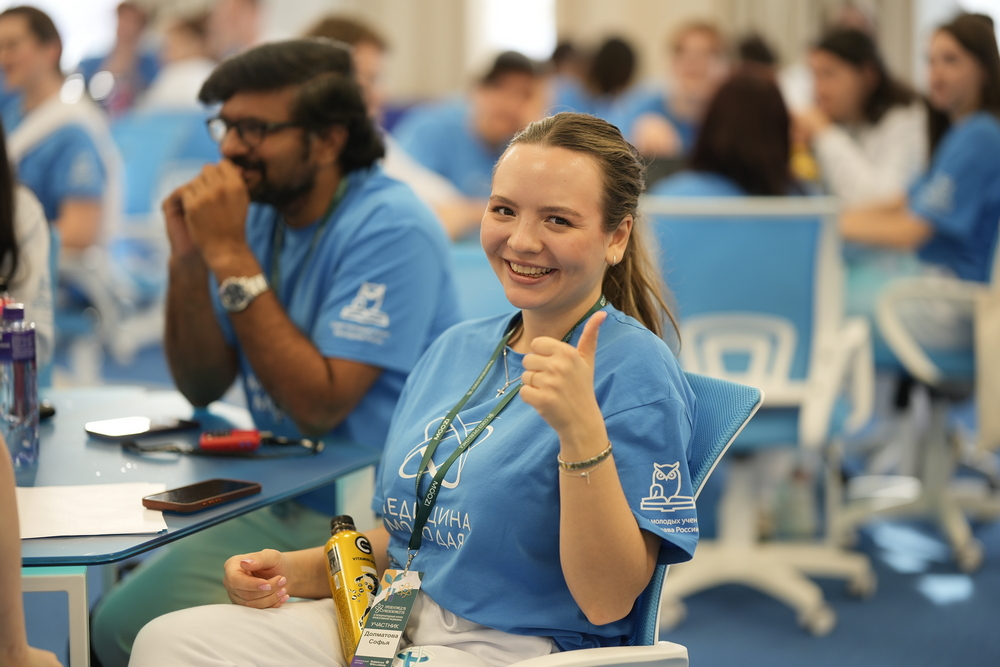
The All-Russian Summer Gathering brought together 40 young researchers from 16 Russian universities and 9 higher education institutions from partner foreign nations — CIS republics, India, China, and Sri Lanka. Alongside physicians, chemists and biologists also travelled to Moscow — these specialists are part of practically every scientific team working on translating a medical project.